
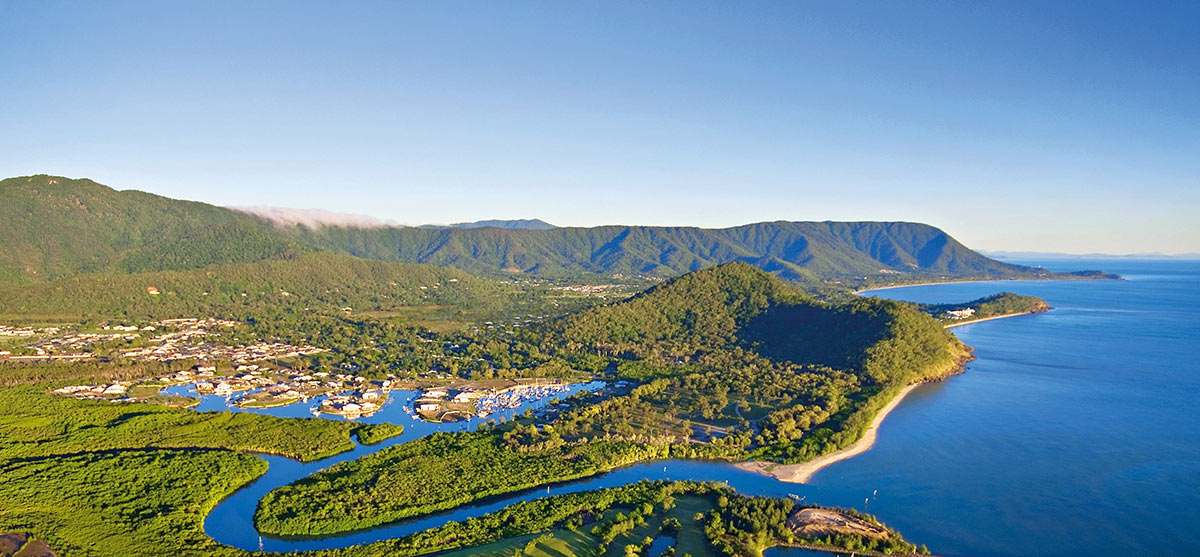
Living and boating in Tropical North Queensland comes with many advantages, from year-round boating opportunities to direct access to the Great Barrier Reef. However, vessel owners must also be prepared for cyclone season and severe weather events that can affect the region each year.
Proper planning and preparation can help minimise risks, protect your vessel, and ensure the safety of marina users and surrounding infrastructure. Whether you’re a local berth holder or visiting the region, understanding cyclone preparedness is an essential part of responsible boat ownership.
Understanding Cyclone Season
In North Queensland, cyclone season generally runs from November to April, with the highest activity typically occurring between January and March.
During this period, tropical lows and cyclones can develop quickly, bringing:
- Strong winds
- Heavy rainfall
- Storm surge
- Flooding
- Dangerous sea conditions
While not every weather system will directly impact your location, vessel owners should remain informed throughout the season.
Why Preparation Matters
Preparing before severe weather arrives is often the most important step you can take.
Waiting until a cyclone warning has been issued may leave limited time to:
- Secure your vessel
- Inspect mooring arrangements
- Remove loose equipment
- Review emergency plans
- Confirm insurance details
Having a plan in place before cyclone season begins can significantly reduce stress and improve safety.
Review Your Vessel Insurance
One of the first tasks every vessel owner should complete before cyclone season is reviewing their insurance coverage.
Ensure that:
- Your policy is current
- Coverage amounts remain adequate
- Contact details are up to date
- You understand policy requirements during severe weather events
Some insurers may have specific conditions regarding vessel preparation and cyclone procedures.
Inspect Mooring Lines and Equipment
Regular inspections can help identify issues before they become serious problems.
Check:
- Mooring lines
- Cleats and fittings
- Fenders
- Deck hardware
- Anchoring equipment
Replace worn or damaged components as required.
Strong, well-maintained mooring systems are essential during periods of severe weather.
Remove Loose Items
Loose objects can become dangerous projectiles during strong winds.
Before severe weather arrives:
- Remove deck furniture
- Secure covers and canvas
- Store loose equipment
- Secure tenders and accessories
- Remove unnecessary items from exposed areas
Reducing windage can also help decrease strain on mooring systems.
Keep Contact Details Current
Marina management should always have current contact information for vessel owners.
Ensure your details include:
- Mobile phone numbers
- Email addresses
- Emergency contacts
Up-to-date information allows important weather updates and instructions to be communicated quickly when required.
Monitor Weather Conditions
Weather conditions can change rapidly during cyclone season.
Reliable sources include:
- Bureau of Meteorology
- Emergency services
- Marine weather forecasts
- Marina communications
Avoid relying solely on social media or unofficial sources for critical weather information.
Prepare a Cyclone Action Plan
Every vessel owner should have a written action plan that outlines:
- Preparation steps
- Emergency contacts
- Equipment locations
- Insurance information
- Communication procedures
A simple checklist can help ensure important tasks are not overlooked during stressful situations.
During a Cyclone Warning
If a cyclone warning is issued:
Stay Informed
Monitor official updates regularly and follow instructions from emergency authorities.
Follow Marina Procedures
Marina management may issue specific instructions based on forecast conditions and operational requirements.
Avoid Unnecessary Travel
Travelling to the marina during dangerous weather can place yourself and emergency responders at risk.
Prioritise Safety
No vessel is worth risking personal safety.
Always follow evacuation instructions and emergency advice when issued.
After the Weather Event
Once conditions have improved and authorities advise it is safe:
- Inspect your vessel carefully
- Check mooring arrangements
- Document any damage
- Contact your insurer if required
- Report issues to marina management
Avoid boarding damaged vessels until they have been assessed for safety.
Bluewater Marina’s Commitment to Safety
Bluewater Marina is a cyclone-rated marina designed to provide a secure environment for vessel owners in Tropical North Queensland.
The marina team works to:
- Monitor severe weather conditions
- Communicate important updates
- Maintain marina infrastructure
- Support berth holders during weather events
While marina facilities are designed with regional weather conditions in mind, vessel owners remain responsible for preparing and securing their vessels appropriately.
A Shared Responsibility
Cyclone preparedness is a partnership between marina management and vessel owners.
By maintaining your vessel, staying informed, and preparing early, you can help reduce risks and contribute to a safer marina environment for everyone.
Be Ready Before the Storm
Cyclones are a natural part of life in Tropical North Queensland, but preparation can make a significant difference.
Taking the time to review your plans, inspect your vessel, and understand marina procedures before cyclone season begins can help protect your investment and provide greater peace of mind.
For additional information regarding severe weather procedures, berth requirements, or marina operations, contact the Bluewater Marina team.